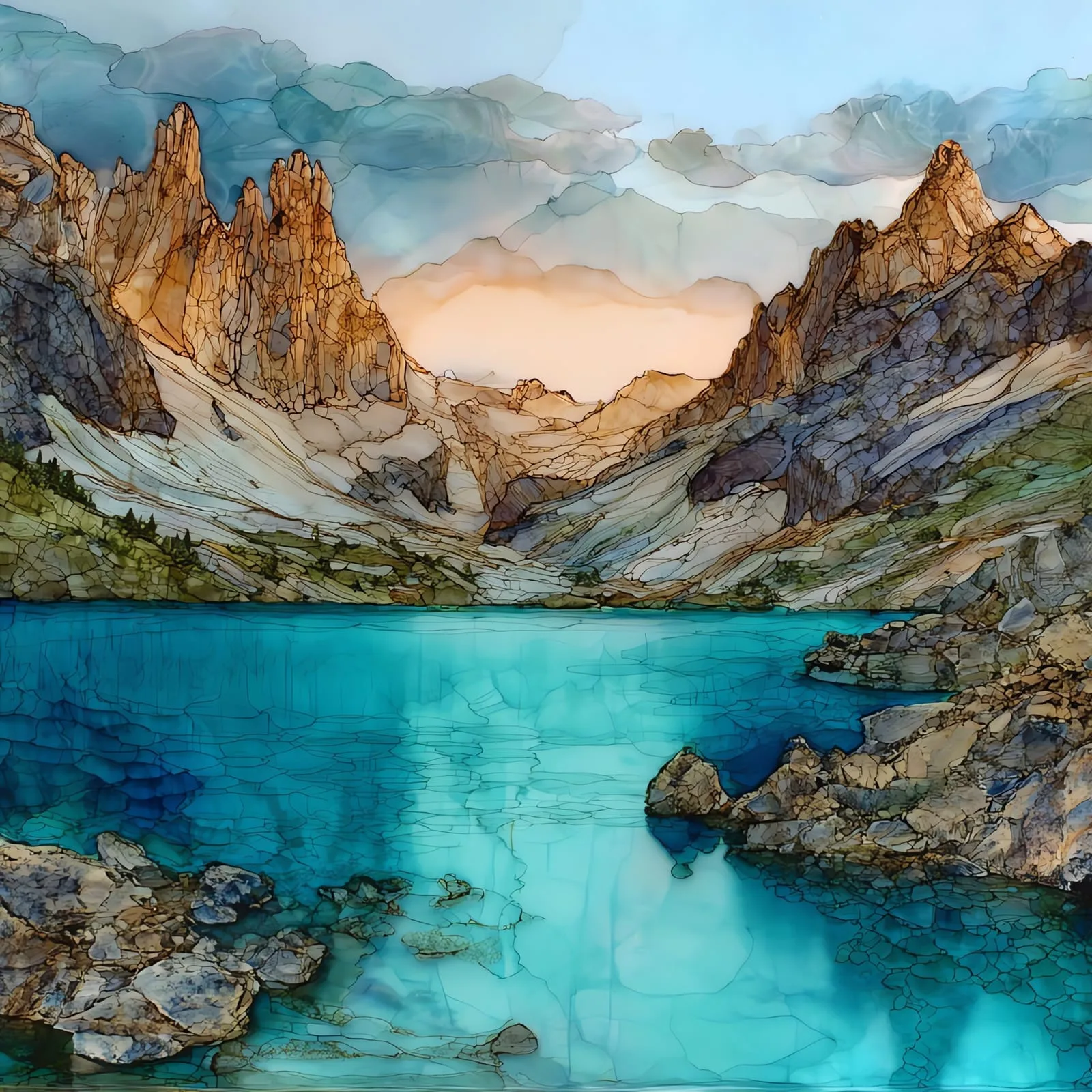
Lago di Sorapis
— the blue the storm leaves behind.
Not only on a wall.

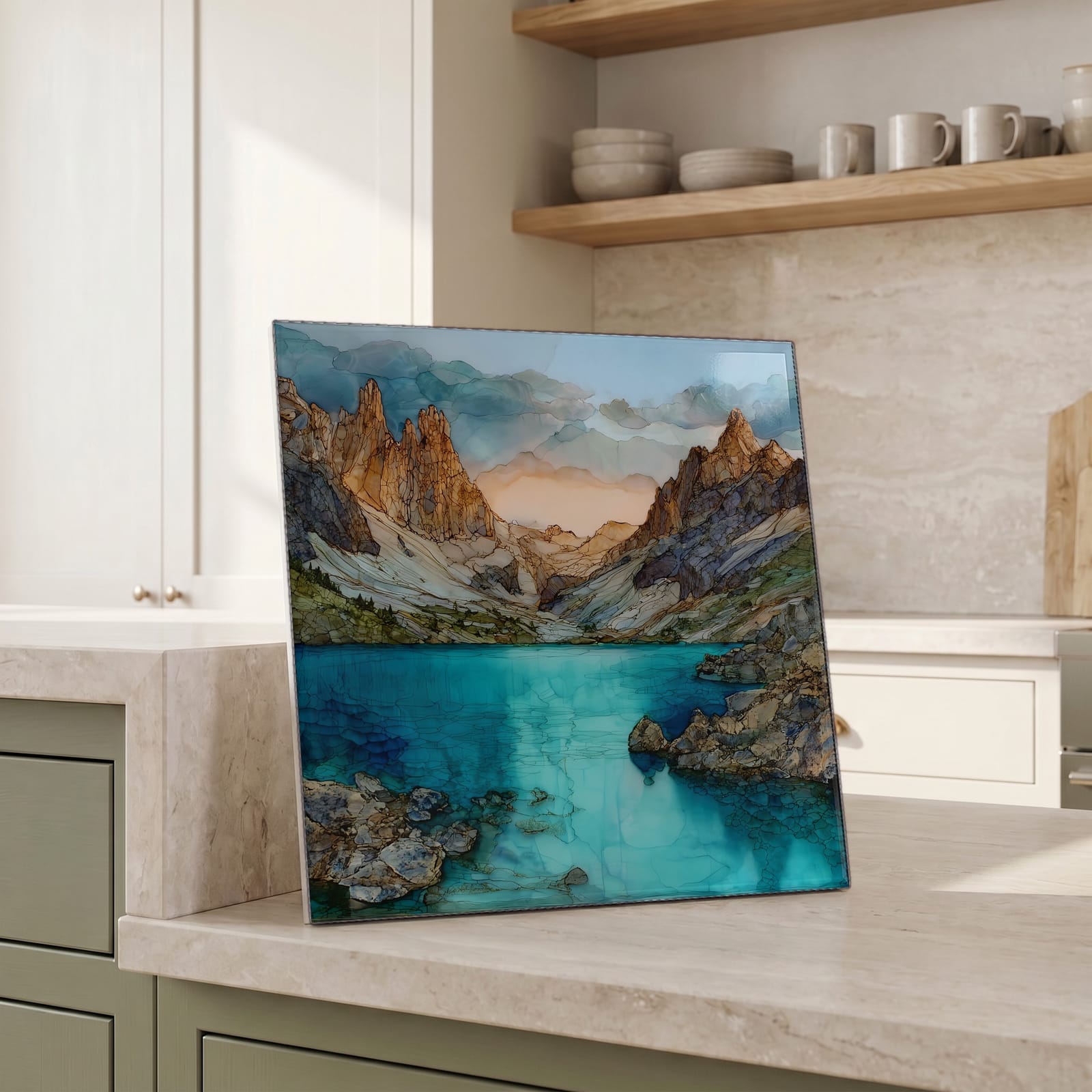
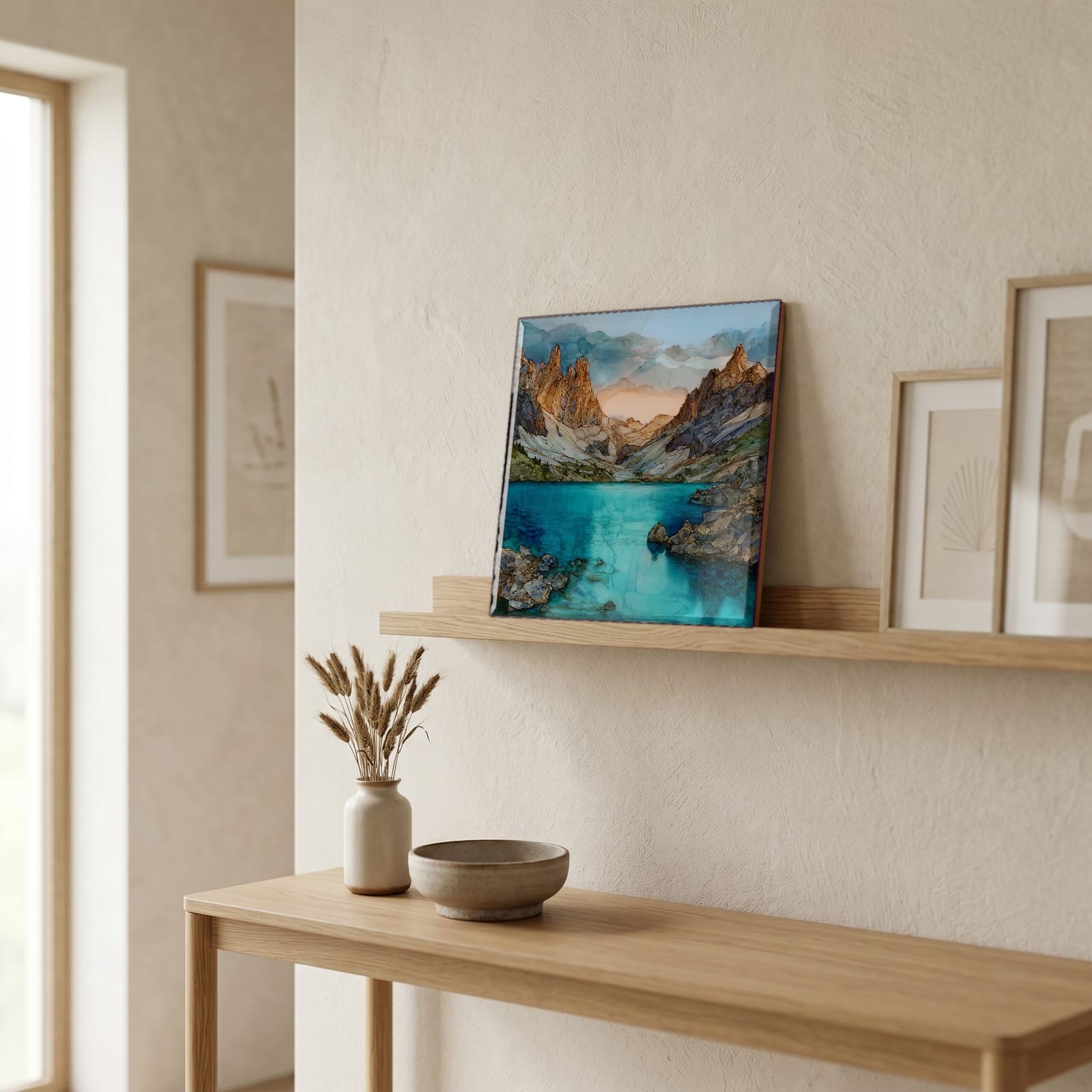
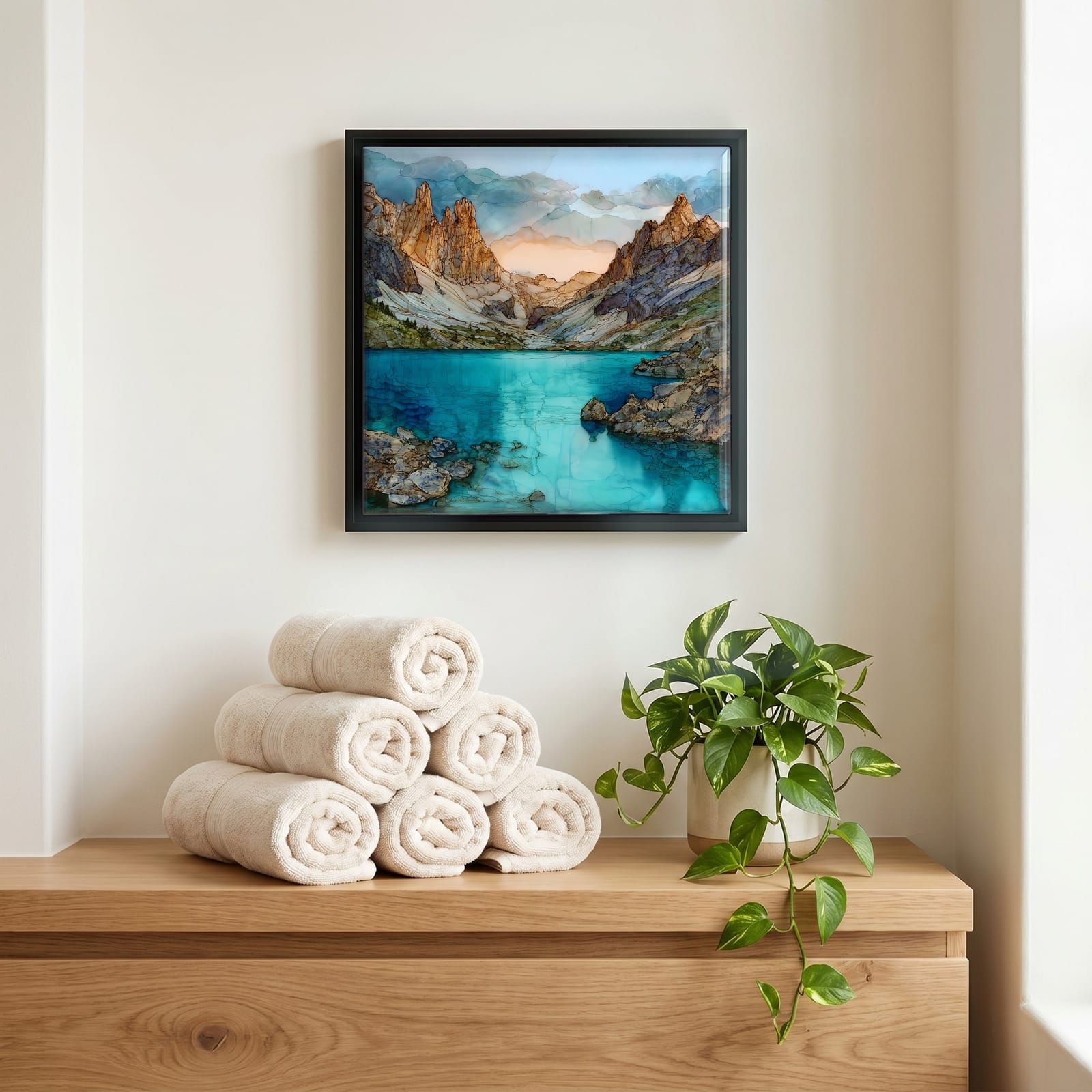
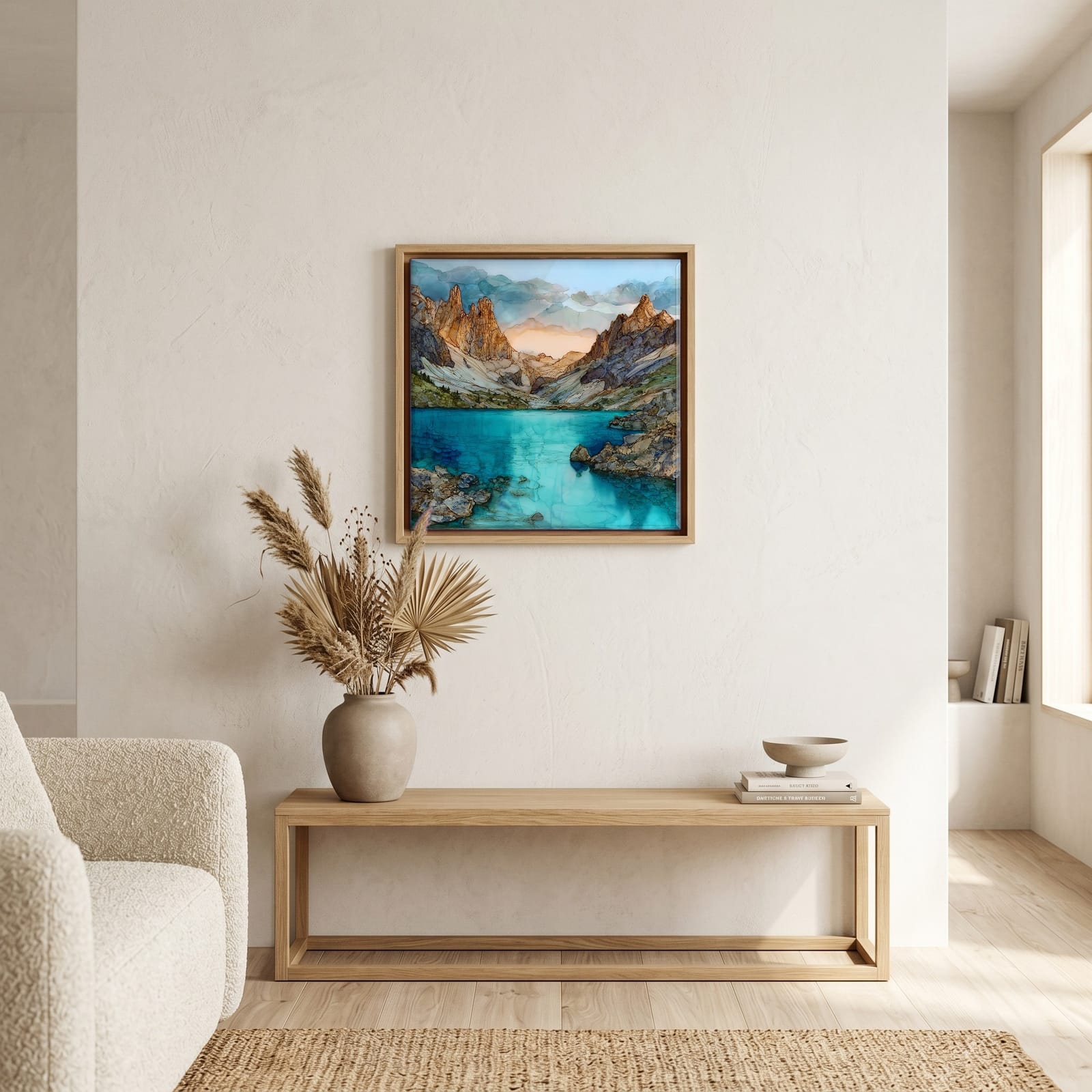
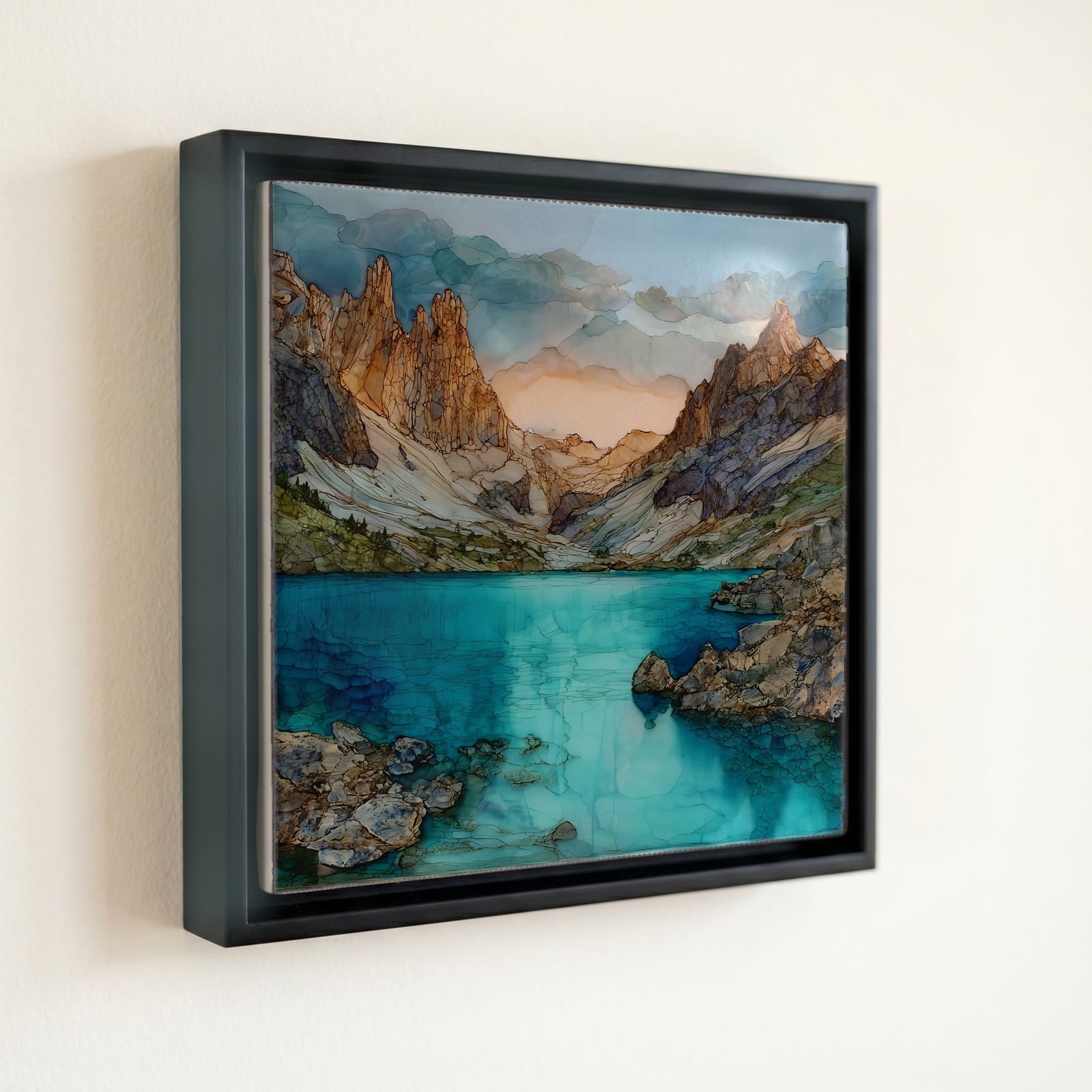
Lago di Sorapis, on ceramic.
Each tile is finished by hand in our Knoxville studio. Artwork is slowly infused into the ceramic surface under high heat and pressure, and rests beneath a thin glossy finish. The colour lives in the surface, not on top of it.
Pick any four 4-inch tiles — National Parks you've been to, a Smokies set, the four seasons of one place. $ for a set of , cork-backed, ready to live on the table.
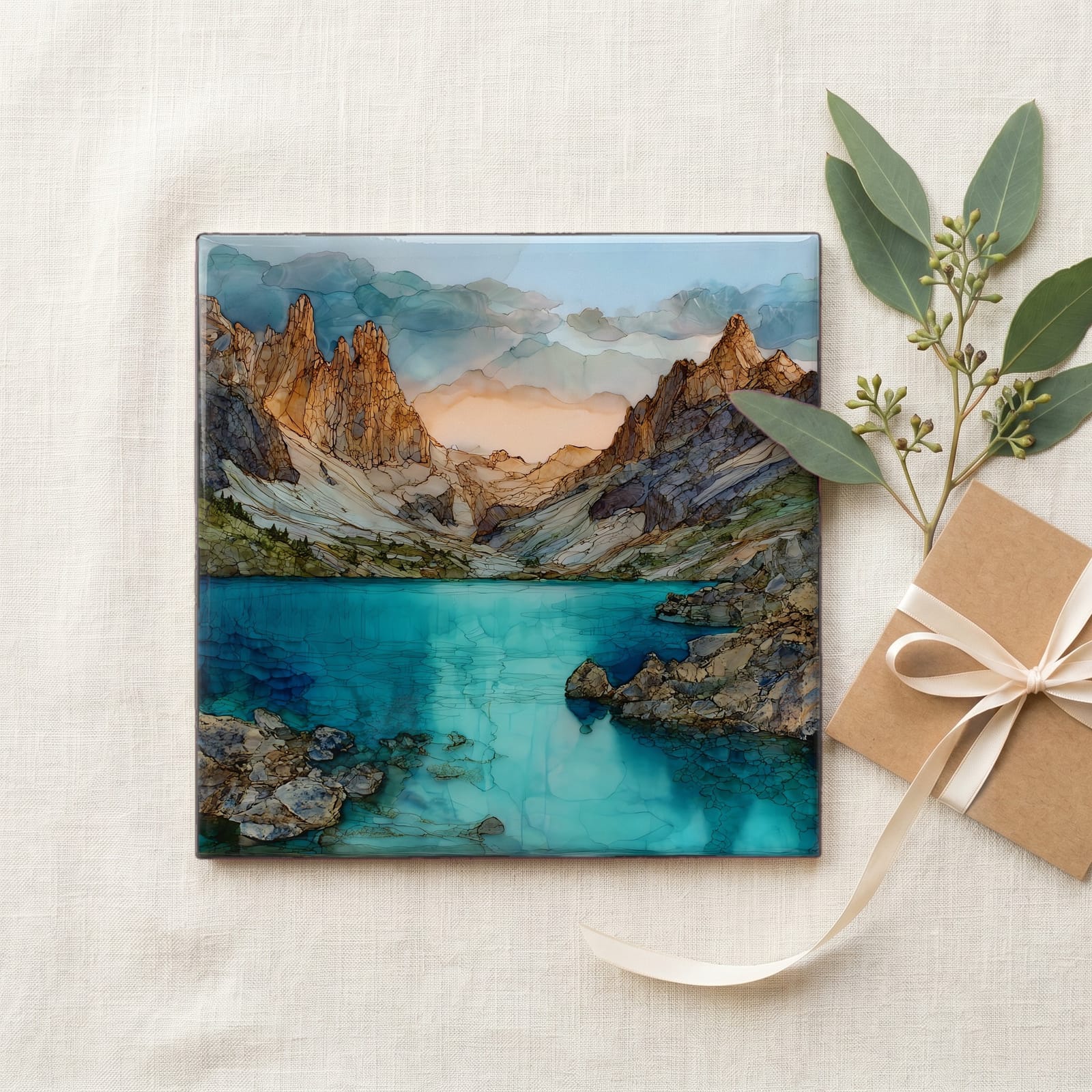
Each tile ships in a kraft box, tied with cream ribbon, with a handwritten note from the studio if you'd like to add one.
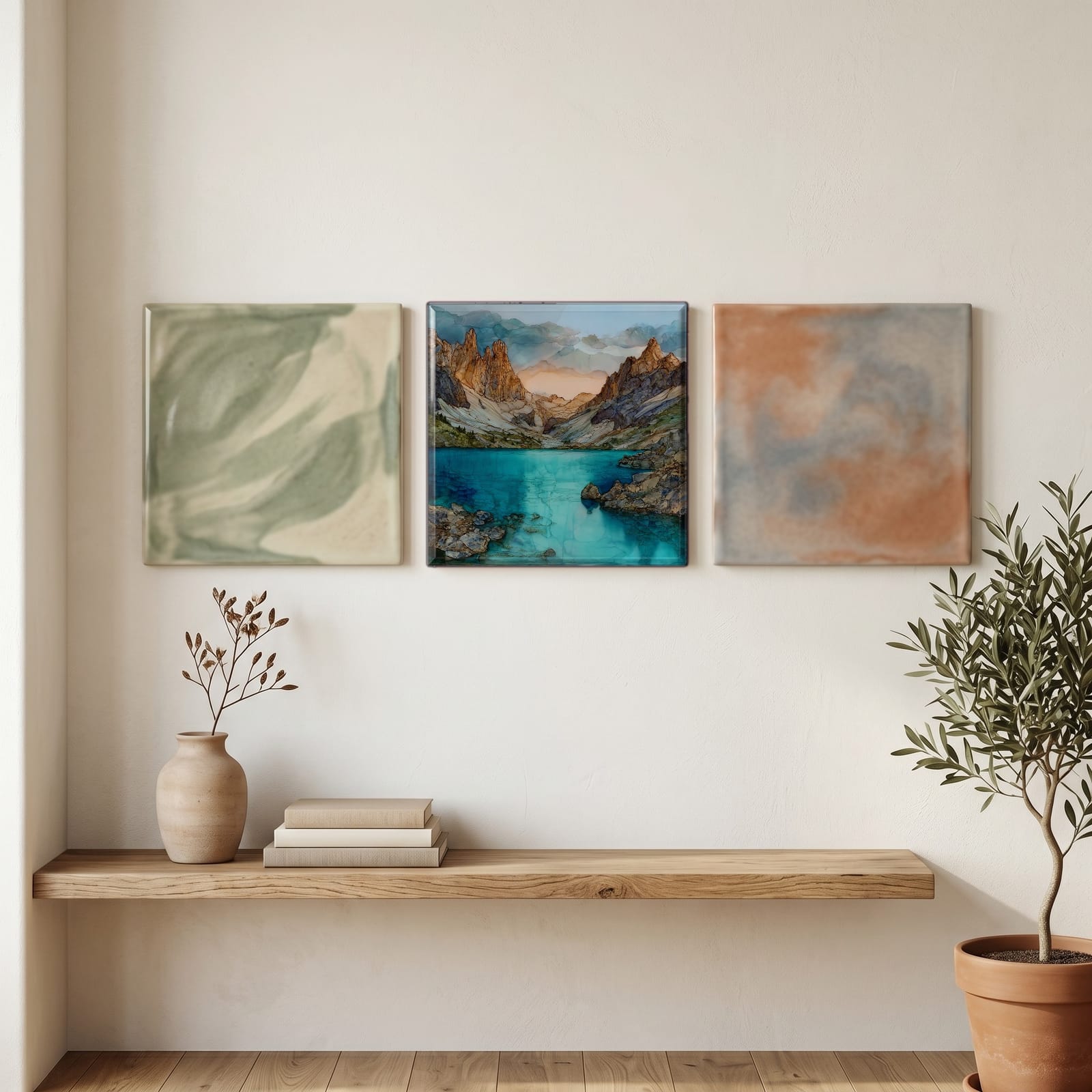
Three or five different vistas, hung together — a chapter of places you've been, or want to go.
“I'd had a meeting in Munich I couldn't wait to leave. Drove south, climbed up from Misurina, sat under a juniper while a quick afternoon storm came through. When I looked up the lake had turned this colour — a blue that only exists for about ninety minutes after the rain. Nobody else came up that afternoon. I sat with it for an hour.
The place, in three passes.
Lago di Sorapis is a small glacial tarn at 1,923 m in the eastern Italian Dolomites, in the province of Belluno (Veneto), roughly 14 km southeast of Cortina d'Ampezzo. It sits in a cirque at the foot of the Sorapis massif, whose highest point — Punta Sorapis — rises to 3,205 m. The lake is reached on foot from Passo Tre Croci on trail CAI 215, about two hours and 400 m of climb each way. The Rifugio Vandelli, the only structure at the lake, has been there since 1891. The area is part of the Dolomites UNESCO World Heritage Site.
The lake's milky turquoise comes from rock flour — extremely fine particles of dolomitic limestone — suspended in meltwater from the receding Sorapis glaciers. The particles are too small to settle and too fine to see, but they scatter the shorter wavelengths of sunlight, the same physics that gives Moraine Lake in Canada and Lake Pukaki in New Zealand their colour. The hue is most intense on hot afternoons in midsummer, and especially in the hour after a thunderstorm has washed fresh silt into the basin.
The trail is generally walkable mid-June through early October. Snow lingers on the approach into early summer and the path can be icy by late September — check refuge conditions before going. The lake is at its most turquoise on hot afternoons in July and August. It freezes by November and the colour fades. Swimming and wading are prohibited to protect the basin and there is no safe water source on the trail.